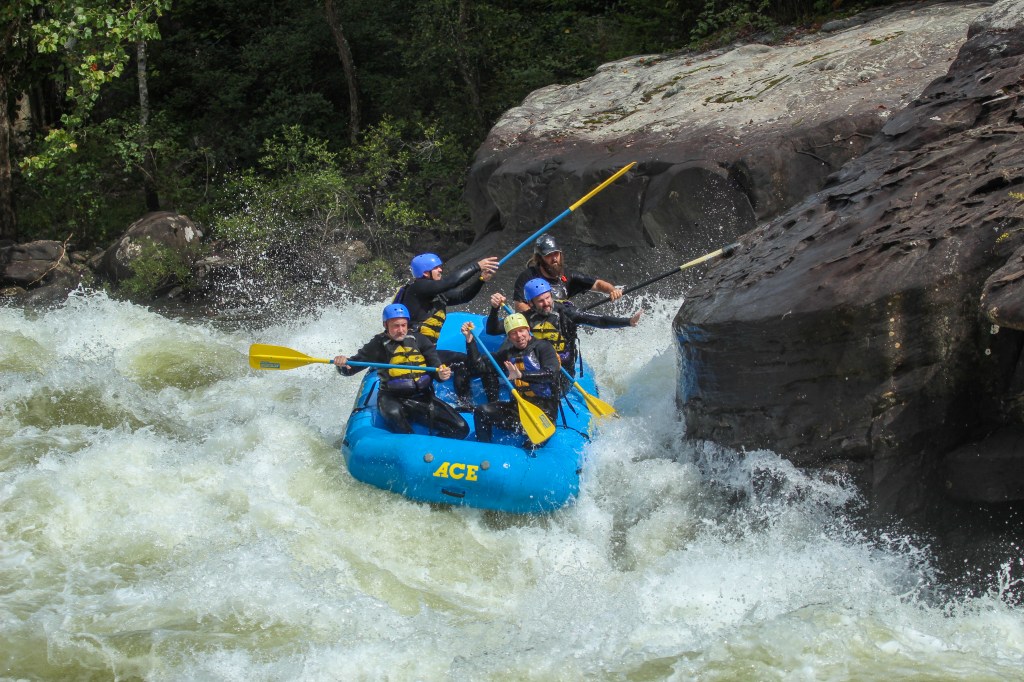
The Untamed Beauty of the Gauley River: A Photographer’s Perspective
As the air begins to cool and the leaves turn vibrant shades of red and orange, whitewater enthusiasts across the country know what season it is—Gauley Season. Nestled in the rugged landscape of West Virginia, the Gauley River offers an exhilarating blend of powerful rapids and stunning natural beauty, making it one of the most coveted whitewater destinations in the world. Whether you’re a seasoned paddler or a first-timer, the Gauley demands respect, skill, and an adventurous spirit.
This past year, I was a photographer at an outdoor adventure resort, Ace Adventure Resort. It was a job that combined my love of photography, nature, and adventure into one unforgettable experience. Each day was spent capturing moments of raw excitement, fear, joy, and teamwork, set against the backdrop of roaring rapids and towering mountains.
Being a photographer was anything but a typical 9-to-5 job. Each morning started early, with guides and rafts buzzing around, prepping for the day’s trips. I’d grab my gear, checking and double-checking everything—cameras, lenses, batteries, and weatherproof covers—knowing that water, mud, and the unpredictable elements were always part of the gig. That includes the snakes along the trails to get to the rapids.
The highlight of each day was, of course, being out on the river.

What Makes the Gauley River Legendary?
The Gauley is not your typical whitewater river. It’s renowned for its intense rapids and steep drops that challenge even the most experienced guides. The Gauley River, in my opinion, is just an unbelievable experience.
During the fall release, which coincides with Gauley Fest, the Summersville Dam releases water on scheduled weekends, letting down thousands of gallons of water into the river, creating rapids that range from Class III to V+. This controlled release, happening each weekend from mid-September to mid-October, turns the Gauley into a thrilling, high-water adventure.
The Gauley River National Recreation Area protects 25 miles of the Gauley River and about 6 miles of the Meadow River.
There are two main sections of the river: the Upper Gauley and the Lower Gauley, each offering a unique experience.
Now that the leaves are turning, and Gauley Season 2024 is in its beginning breaths, I’d love to share about my experience being a photographer just the year before.
Behind the Lens on the Upper Gauley: Pillow Rock
As a first year photographer, our photo locations would shift. But on the Upper Gauley, I had the opportunity to take photos at the Rapid called Pillow Rock (see pictures below). The hike to Pillow, is steep and the hike back up, I considered to be brutal. Rocks were often wet from the morning rain, making it a scramble to climb up.
Pillow Rock Rapid on the Upper Gauley River is a notorious Class V rapid, famous for its massive boulder, the “pillow,” which creates a powerful cushion of water that rafts must navigate around. According to OARS Rafting, Pillow Rapid is rated the 7th most “notorious rapid” in the world.
Rafters face a narrow line between hitting the pillow head-on or slipping past it, with the potential for thrilling crashes or clean runs. The rapid is fast, technical, and one of the most adrenaline -pumping sections of the Gauley, offering intense whitewater action and dramatic moments for both paddlers, spectators, and photographers alike.
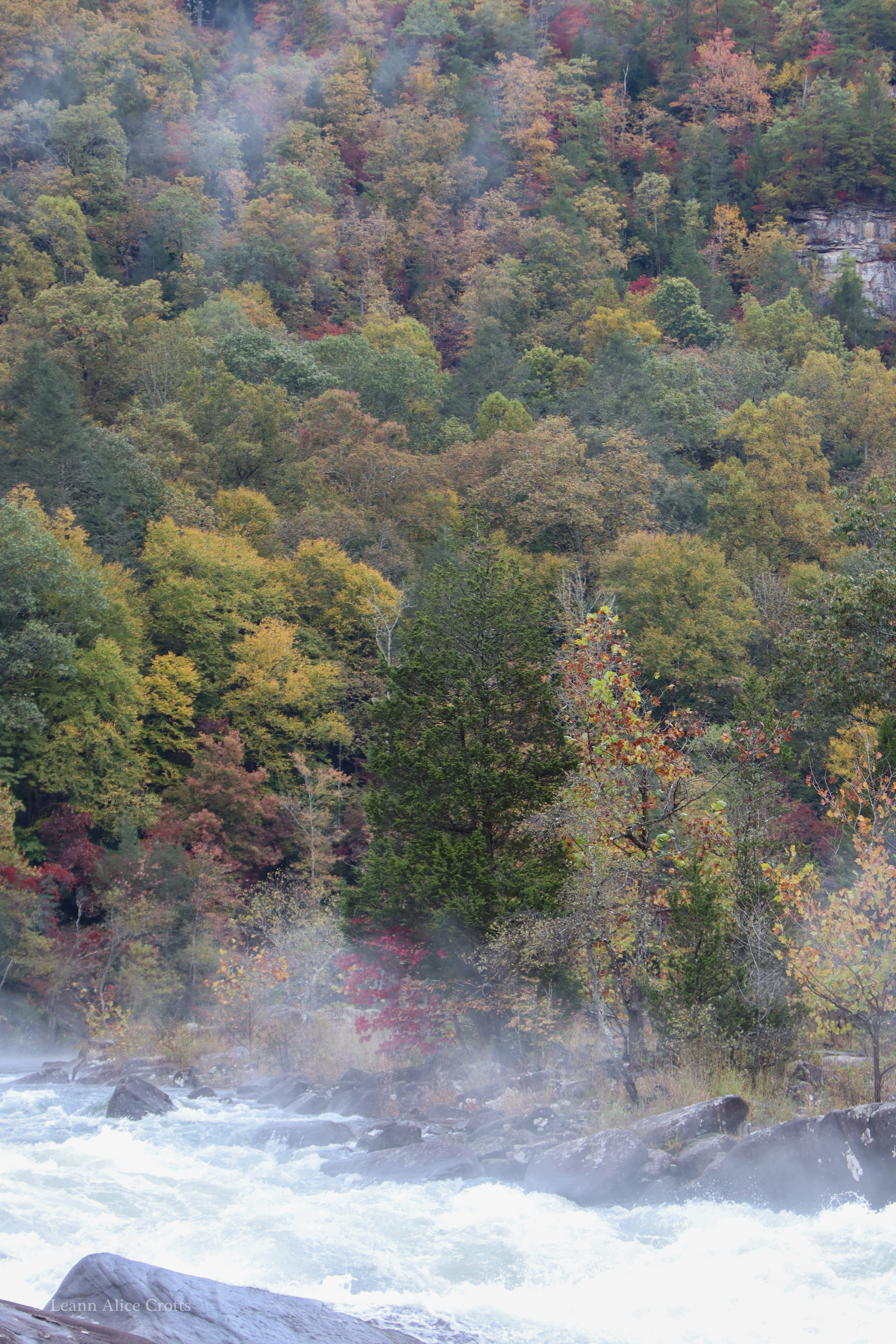
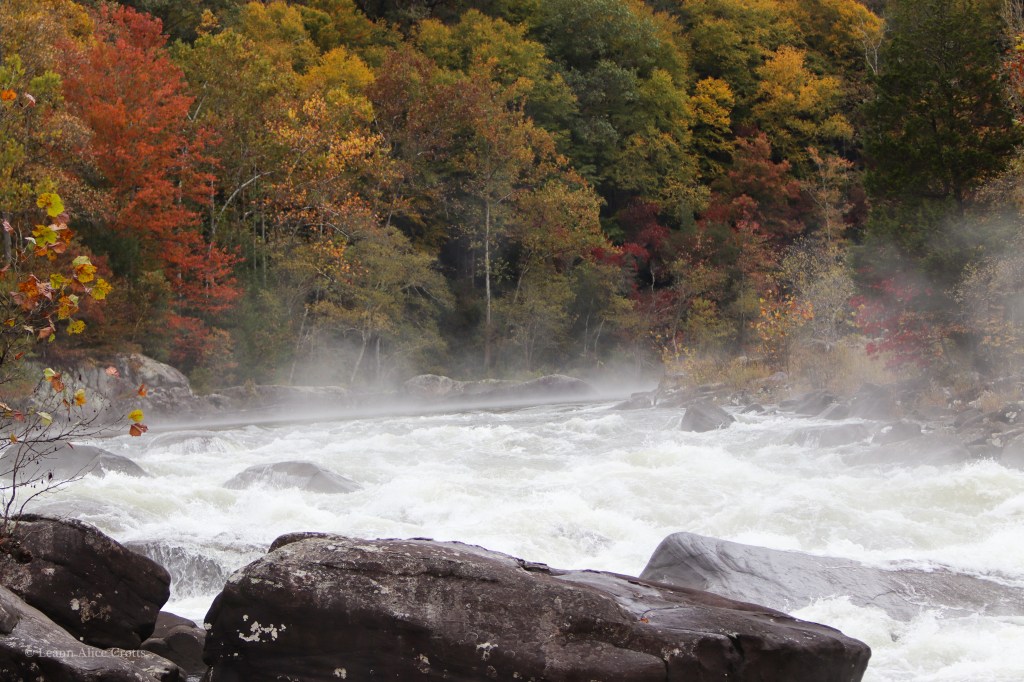
Photographing Pillow Rock requires a little bit of luck and a lot of preparation. As I wrote earlier, the rapid gets its name from a massive boulder, the “pillow,” that creates a cushion of water flowing around it, which rafters have to navigate carefully. If they hit it just right, they’ll slide smoothly past; hit it wrong, and they could flip or get stuck inbetween the two rocks, which is called the Room of Doom, where the water just recirclates, often making it hard for boats to exit.
The Challenges of Pillow: Nature’s Unpredictability & A Sudden Click
Pillow Rock isn’t just tough on the rafters; it’s tough on photographers too. If you have never done the Upper Gauley let me give you some context to why this rapid is one of the hardest to shoot.
The light can change rapidly in the gorge, especially as the day progresses. Morning shoots feature my unwanted friend, The Gauley Ghost.
Caused by the stark contrast between the cold dam released river water and the warm fall air, the mist blankets the river like a shroud, drifting eerily above the rapids. Then, by midday, the harsh sun can create deep shadows, making it tricky to capture clear, well-exposed shots. I often adjust my settings on the fly to accommodate for the fluctuating light and the fast-moving action.


Guide: Jason, Ace Adventure Resort, taken by Leann Crotts, 2023 
Guide: Elliot, Ace Adventure Resort, taken by Leann Crotts, 2023 
Upper Gauley Training Crew, Ace Adventure Resort, taken by Leann Crotts, 2023 
Guide: Matt Trussel, Ace Adventure Resort, taken by Leann Crotts, 2023 
River Guide Ryan Purdie slamming into Volkswagen Rock, taken by Leann Crotts 2023 
Guide: Marcus, Ace Adventure Resort, taken by Leann Crotts, 2023 
Guide: Marcus, Ace Adventure Resort, taken by Leann Crotts, 2023 
Guide: Marcus, Ace Adventure Resort, taken by Leann Crotts, 2023 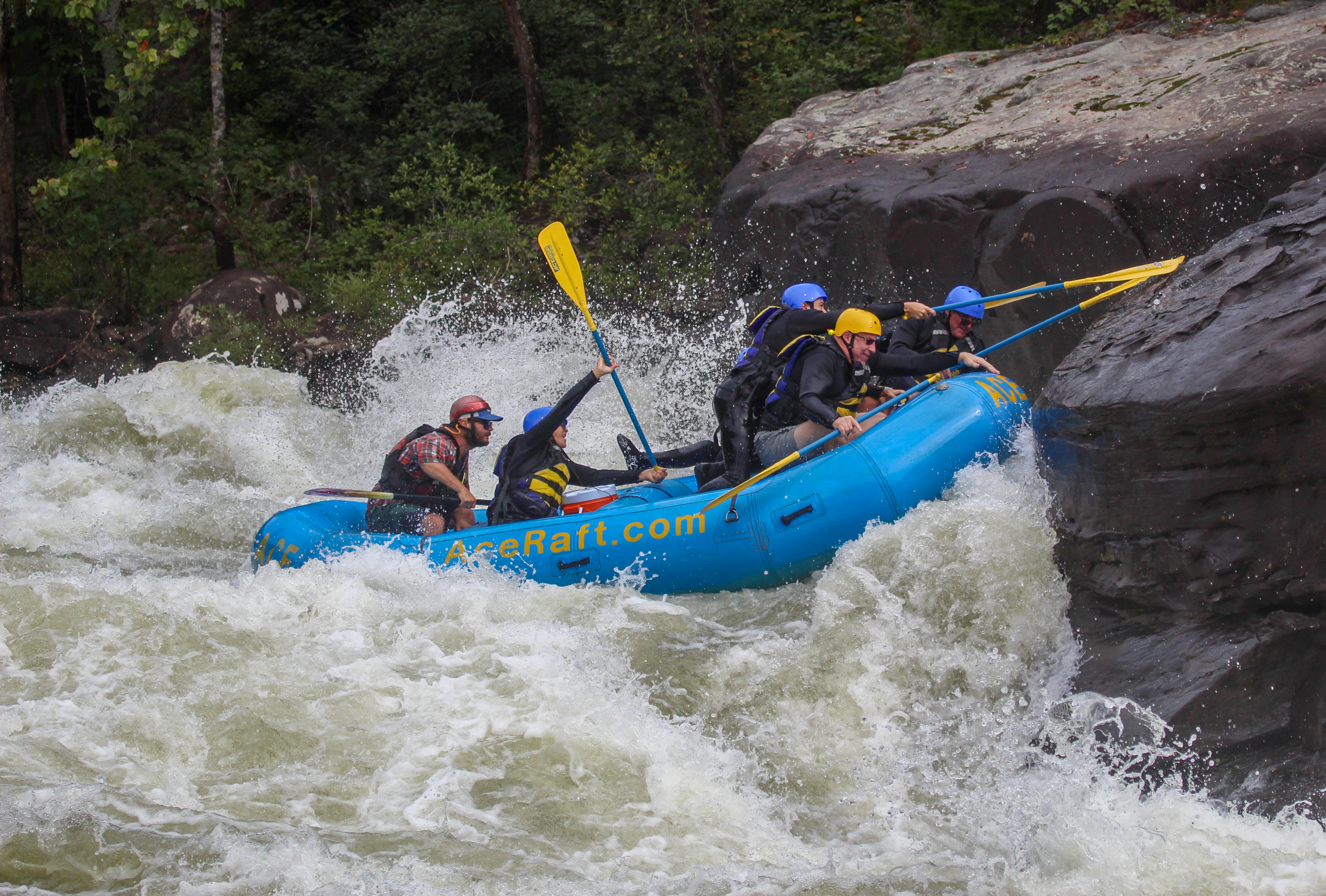
Ace Adventure Resort, taken by Leann Crotts, 2023 
Ace Adventure Resort, taken by Leann Crotts, 2023
Then, I see the boats heading downstream.
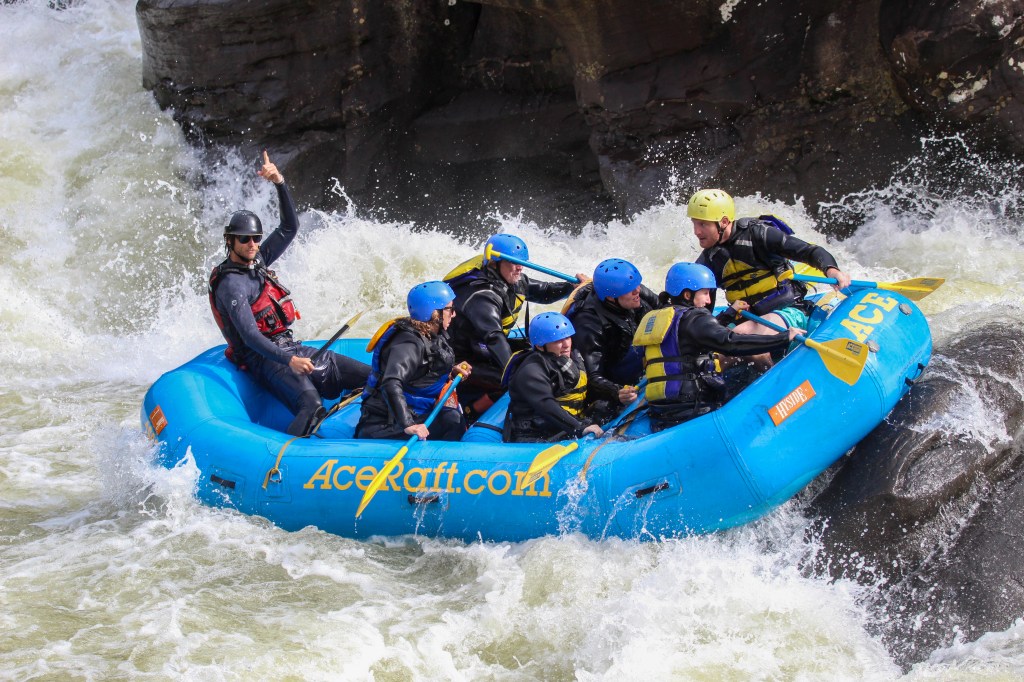
Once boats are close enough to that the rock of Pillow, most, if not all guides, will scream, “SLAP THAT ROCK!”. In doing this, the weight in the boat shifts as guests attempt to slap the rock with their paddle blades. I learned that this is meant to help prevent the boat from flipping (high-siding), as well as give the infamous and iconic Pillow Slap photo.
So, I have to be set up to be prepared of getting the photo shot of guests slapping the rock. Last year, I was positioned on a big bolder on the opposite side. To get on it, I would use a ladder, and then rock climb with the aid of a rope to pull myself all the way up. If it was slippery, I would say a prayer before.

Timing the Shot
Pillow Rock is all about timing. The rapid is unpredictable—one second, the raft is in control, and the next, they’re hitting the pillow or plunging into the churning water just beyond it. Rafters often approach cautiously, and that’s when I get my camera ready. I would feel the anticipation, the excitment, and the nerves as they were inching closer to Pillow. I watch for the moment when the boat crests the first wave, the paddlers leaning in, eyes wide as they line up their approach, as soon as the boat is turning the corner, I pull my camera up.
The sweet spot for capturing Pillow Rock is just before they hit the pillow, when the anticipation is building, and everyone in the raft is bracing for impact. That moment of tension is where the best shots come from—the boat directly next to the rock, paddle blades on the rock, the guide mid-scream. Click, click, click.
But I can’t relax after that. Some of the best moments come after the raft hits the pillow, especially if they get thrown off course or slam into the rock. It could send them spiraling towards a rock that is directly in the middle of the rapid called Volkswagon rock. That’s when I can capture the raw expressions of shock, as some of the guest find themselves out of the boat.
Through the Rapids: Capturing the Lower Gauley:
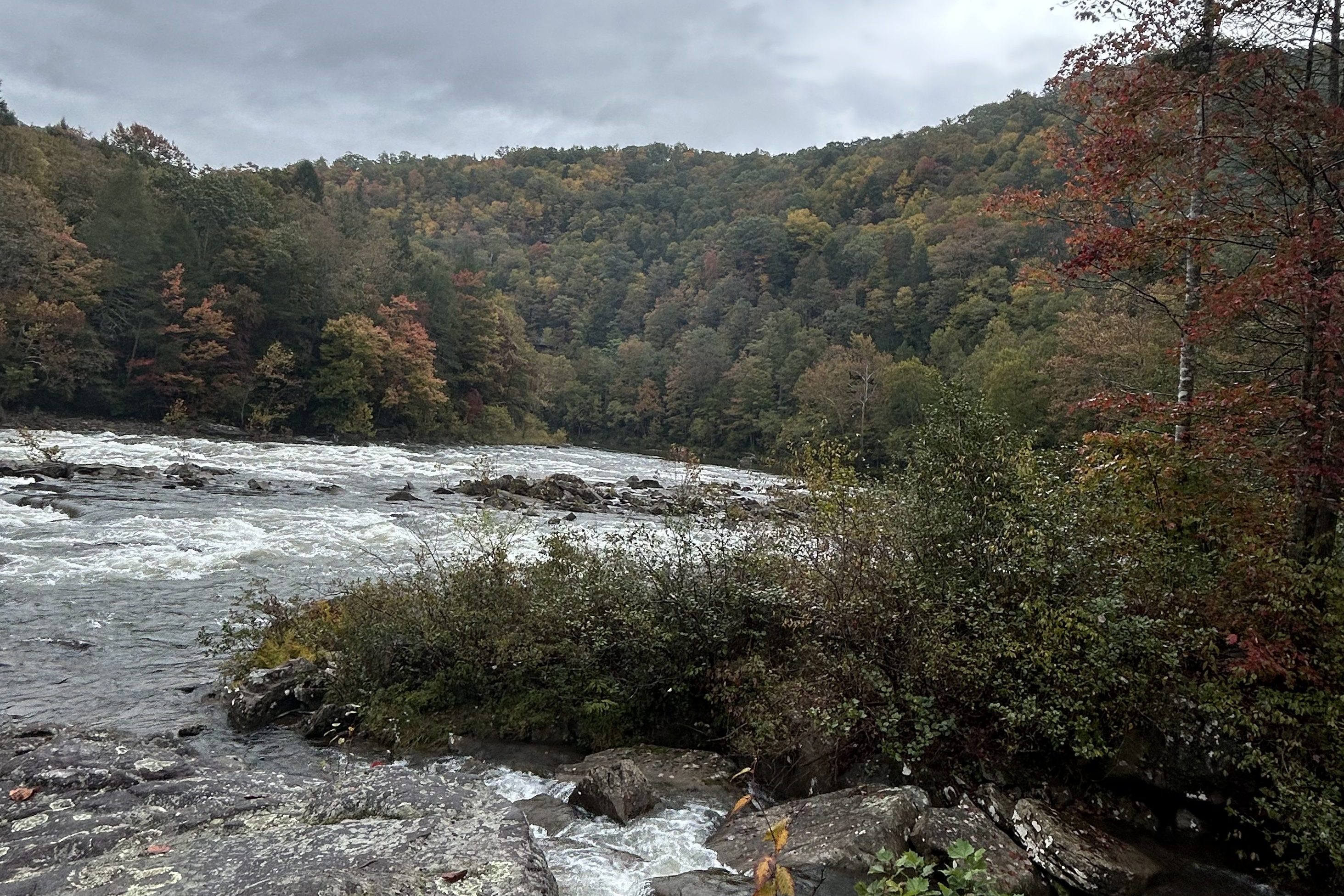
For those looking for a slightly less intense adventure, the Lower Gauley is the perfect playground. With Class III-IV+ rapids, this section provides plenty of thrills, but with more opportunity to enjoy the scenery. The rapids, such as Wood’s Ferry and Pure Screaming Hell, are still formidable, but there are stretches of calmer water in between, allowing you to catch your breath and soak in the beauty of the surrounding cliffs and forested hills.
As stated earlier, being a photographer our photo rapids would shift. While there are many photo rapids on the Lower Gauley that we would shoot, one in paticular that I want to write about is the rapid called Woods Ferry.
Woods Ferry Rapid is a notable Class III-rapid on the Lower Gauley River in West Virginia. Known for its exciting waves and technical features, this rapid offers a challenging and fun ride for intermediate paddlers. However, one key feature at the end of this rapid makes it a photographer’s entertainment. That is called Julie’s Juicer.
Time the Action & The Reward
Capturing the perfect shot at Woods Ferry, particularly around Julie’s Juicer, can be a thrilling challenge. Julie’s Juicer is notorious for flipping rafts with its powerful currents and unexpected drops. As a photographer, timing is everything, but the unpredictable nature of the rapid adds layers of difficulty.
One of the primary challenges is the sheer unpredictability of the rapid itself. Julie’s Juicer isn’t just a typical drop; it’s a chaotic convergence of water that can suddenly flip a raft, sending paddlers into the churning waves. You have to anticipate the moment when a raft hits the sweet spot—right before the flip or the inevitable surge of adrenaline on the faces of the rafters.
The most rewarding moment, though, is when I would nail it—when I would capture the precise instant the raft tips, the spray of water, the expressions of shock and thrill on the paddlers’ faces, and the raw power of Julie’s Juicer in full display. Every photographer understands that moment that you know is going to tell the story. It’s the shot that encapsulates the drama and excitement of whitewater rafting, a perfect blend of nature’s force and human resilience.
But getting that shot requires patience, quick reflexes, and a deep understanding of the rapid’s behavior. Each attempt teaches something new, whether it’s about timing, positioning, or adjusting to the environment. And each successful capture at Woods Ferry feels like a victory over the unpredictable, chaotic energy of Julie’s Juicer.
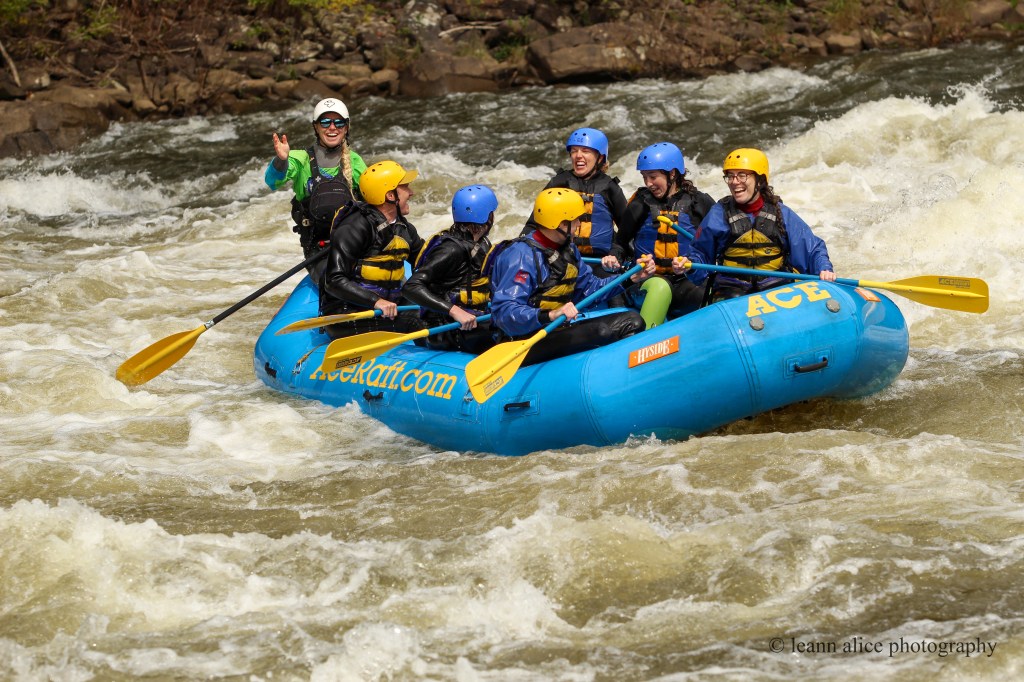
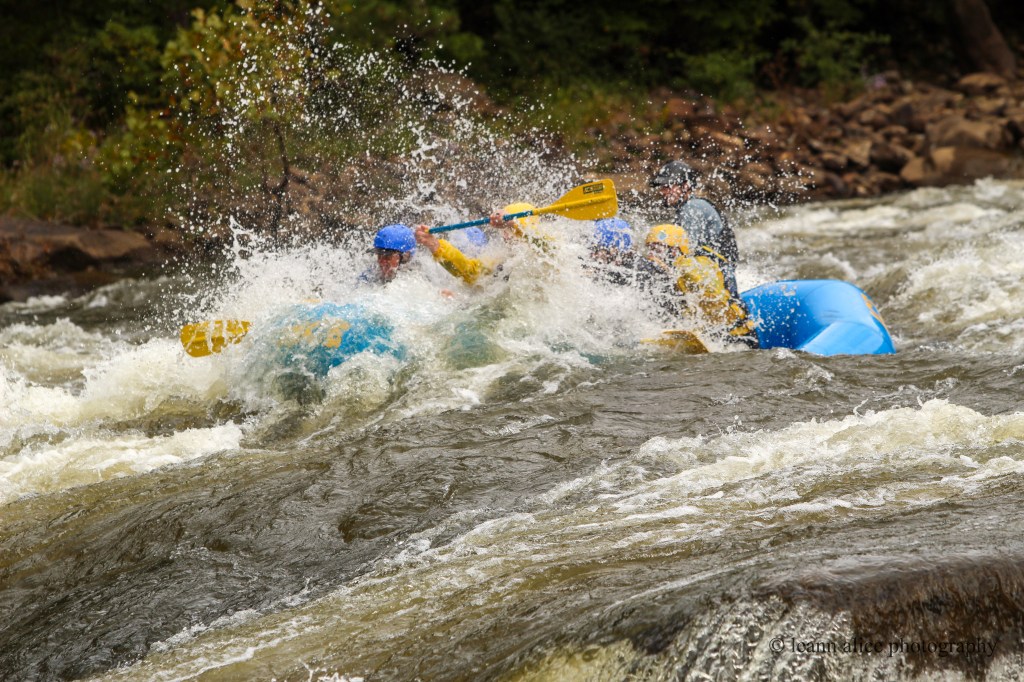
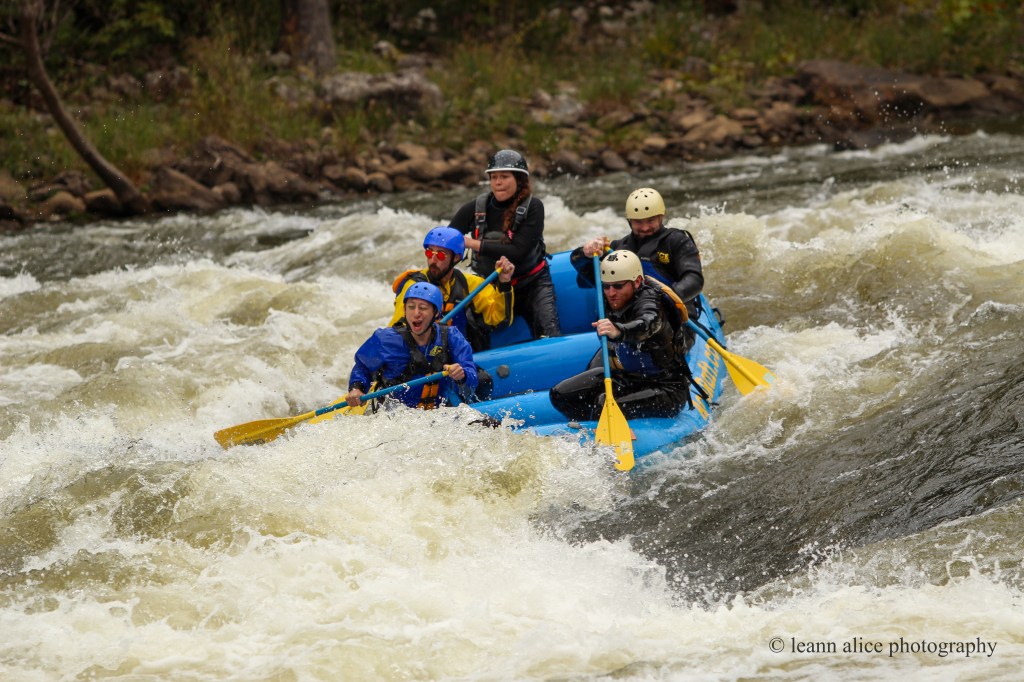


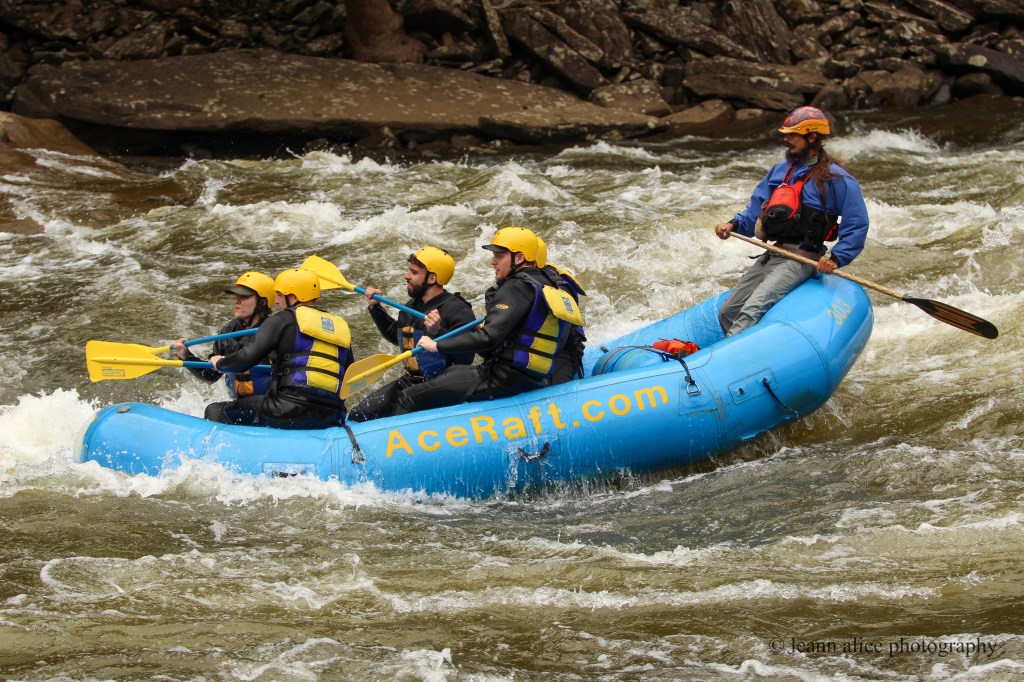
The Reward – “The Juice”
The most rewarding moment, though, is when you nail it—when you capture the precise instant the raft tips, the spray of water, the expressions of shock and thrill on the paddlers’ faces, and the raw power of Julie’s Juicer in full display. It’s a shot that encapsulates the drama and excitement of whitewater rafting, a perfect blend of nature’s force and human resilience.
But getting that shot requires patience, quick reflexes, and a deep understanding of the rapid’s behavior. Each attempt teaches you something new, whether it’s about timing, positioning, or adjusting to the environment. And each successful capture at Woods Ferry feels like a victory over the unpredictable, chaotic energy of Julie’s Juicer.

Guide: Elliot Morrison, Ace Adventure, taken by Leann Alice 2023 
Guide: Elliot Morrison, Ace Adventure, taken by Leann Alice 2023 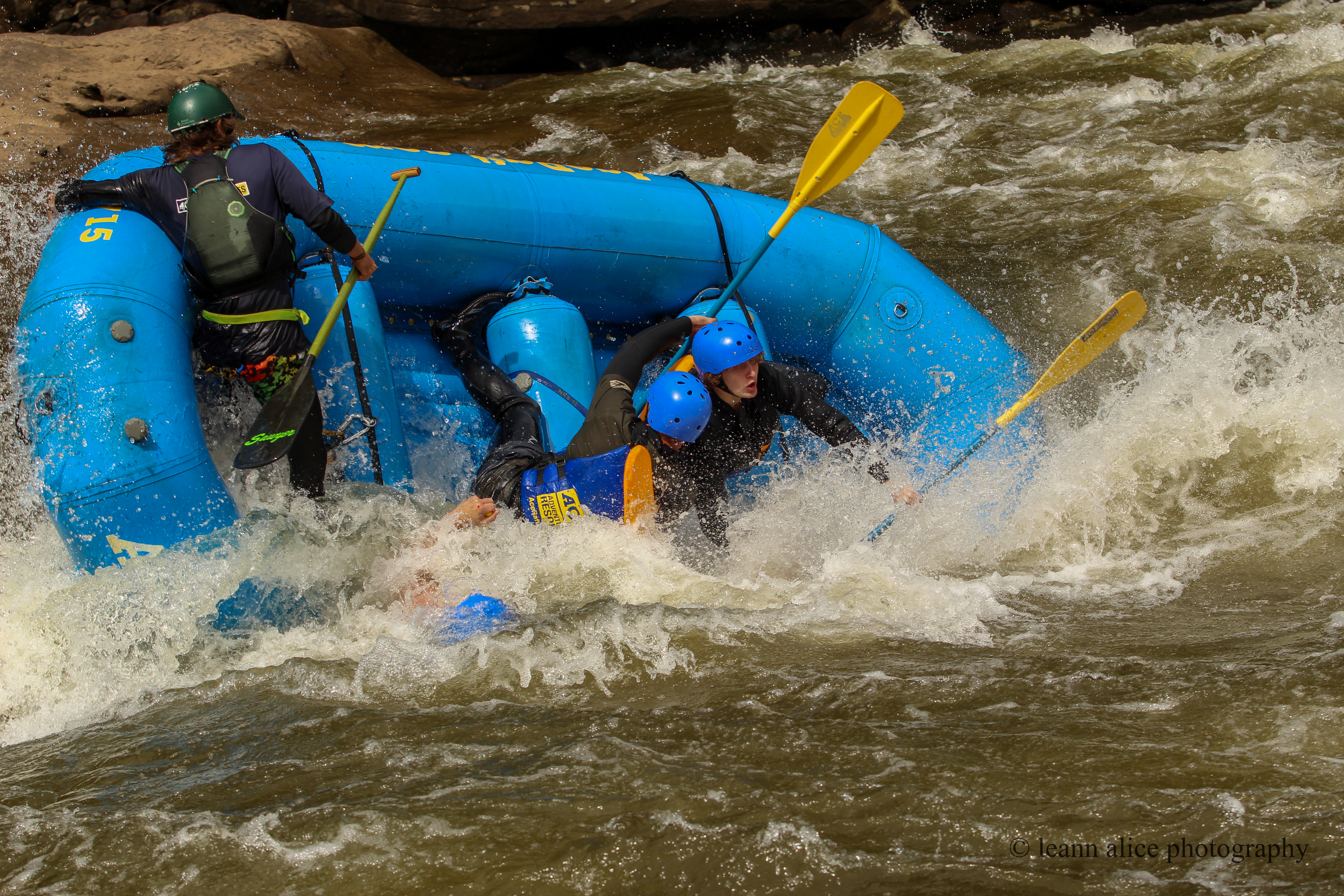
Guide: Elliot Morrison, Ace Adventure, taken by Leann Alice 2023 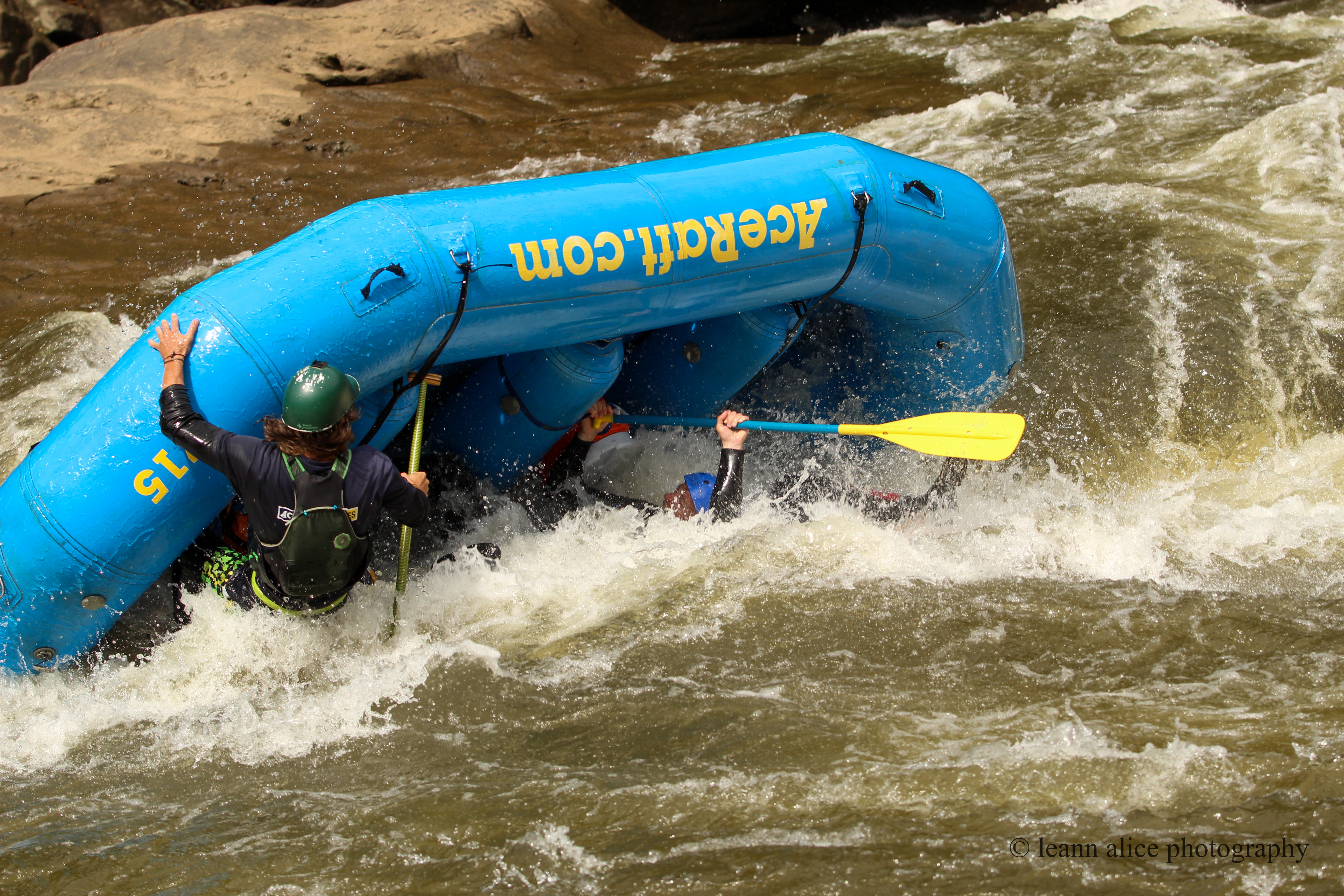
Guide: Elliot Morrison, Ace Adventure, taken by Leann Alice 2023 
Guide: Elliot Morrison, Ace Adventure, taken by Leann Alice 2023
in closing…
As the leaves change and the dam releases its gates, the Gauley stands as a reminder that nature is both beautiful and untamable—and for those of us lucky enough to connect, it’s a river that will always call us back. Or at least, she called me back.
I hope to see you this 2024 Gauley season, but this time, I won’t be behind the lens, at least not all the time…
I have to give a shout out to the company that brought me out of my comfort zone. If you are coming to the Gauley River in good ole West Virginia, make sure you book with Ace Adventure Resort. I’ll put there website down below.
References / Resources
“10 of the World’s Best Whitewater Rapids” – OARS. OARS Blog. www.oars.com/blog/10-of-the-worlds-best-whitewater-rapids/
“Wild and Wonderful” – National Park Service. Gauley River National Recreation Area. Accessed September 5, 2024. www.nps.gov/gari/wild-and-wonderful.htm
“Woods Ferry Rapid” – Gauley River Rapids. Gauley River Rapids Website. Accessed September 5, 2024. www.gauleyriverrapids.com/woods-ferry-rapid/
“Whitewater Rafting in West Virginia – ACE Adventure Resort.” ACE Adventure Resort, www.aceraft.com. Accessed September 10, 2024. www.aceraft.com

 Rapid & Reflections
Leave a comment